
Operations
Digital Transformation for Beauty Salons: What It Really Means (And Where to Start) ✨
Many salons feel “behind” on technology. Schedules live in different tools, client notes are split across paper and phones, and staff rely on group chats. Digital transformation for beauty salons is not about shiny software—it is about building a reliable system that supports client experience and growth.
Digital transformation for beauty salons means unifying booking, client data, payments, and communication so every visit is consistent and efficient. It replaces scattered salon digital tools with a connected workflow: online booking, automated reminders, centralized profiles, and clear staff coordination. The goal is fewer errors, happier clients, and a brand that feels modern.
Modern salon management is about experience and efficiency. The tech stack should remove friction for guests and staff, protect revenue from no-shows, and give owners visibility on what is working. A branded salon app can be part of that system, but the foundation is disciplined processes supported by the right tools.
What digital transformation means for beauty salons ✨
Digital transformation is the shift from ad hoc tools to an integrated operating system for your salon. It covers how clients book, how staff prep, how payments flow, and how data informs decisions.
At a practical level, it means a single source of truth for schedules, services, and client profiles. Every interaction—booking, check-in, rebooking, retail follow-up—should feel intentional and consistent.
It also means scalability. When processes are standardized and supported by beauty salon technology, adding a new stylist or opening a second location does not break the system.
Why many salons struggle with digital transformation 😓
Fear of complexity is common. Owners worry that new salon digital tools will slow the team or confuse clients. The reality: the right setup reduces manual steps instead of adding them.
Time constraints also block progress. Without a clear plan, evaluating software competes with serving clients. A phased rollout helps—start with booking and reminders, then layer data and automation.
Fragmented tools create friction. When booking lives in one app, notes in another, and payments in a third, staff context-switch and clients get mixed messages.
ROI uncertainty makes owners hesitate. The payoff shows up in fewer no-shows, better rebooking, and clearer staffing decisions. Track these metrics to see impact.
First-hand insight: when I helped a salon transition from paper to a unified system, the immediate win was predictable prep time—color clients stopped overlapping with haircuts because buffers were enforced automatically.
Core areas of digital transformation in salons ✨
Online booking and scheduling: Make it easy to book 24/7 with accurate service durations and buffers. Clients should see real-time availability and know what to expect.
Automated confirmations and reminders: Confirmations set expectations; reminders cut no-shows. Use SMS and push notifications with clear policies and prep notes.
Centralized client data: Keep formulas, preferences, allergy notes, and visit history in one place. That data powers tailored recommendations and protects service quality.
Staff coordination and workflows: Shared calendars, service checklists, and task ownership reduce miscommunication. Templates keep new team members aligned with standards.
Brand presence across digital touchpoints: From booking pages to receipts, visuals and tone should match your brand. Consistency signals professionalism and builds trust.
These pillars turn salon automation into a daily habit, not a one-time project. Each piece reinforces the others: clean data makes reminders relevant; accurate scheduling makes staff workflows smoother.
How digital tools improve salon efficiency and client experience 🛠️
Automation removes repetitive tasks. When confirmations, reminders, and follow-ups send themselves, front desk time goes back to clients in the lobby—not chasing appointments.
Centralized profiles reduce errors. Stylists see the same notes, so color formulas and contraindications are not missed when clients switch providers or locations.
Clear booking logic protects revenue. Enforced buffers and deposits reduce gaps and no-shows. Clients respect policies when they are transparent and consistent.
Unified communication feels premium. On-brand messages, prep instructions, and post-care guidance show clients you run a disciplined operation.
Data visibility drives better decisions. Rebooking rate, prebook percentage, service mix, and utilization reveal where to coach staff or adjust pricing.
Clients notice the calm. When the front desk is not rushed and stylists have everything ready, the experience feels more professional—which increases tips and referrals.
When a branded salon app supports digital transformation 📱
A branded app becomes logical when you want clients inside your ecosystem instead of in a generic marketplace. Home-screen presence keeps your brand top of mind.
High repeat volume and memberships benefit most. Direct rebooking, member perks, and targeted offers inside your app reduce churn.
Multi-location operations need consistency. A branded app keeps services, pricing, and policies aligned while routing clients to the right site.
When you push salon automation further—like smart reminders, service-specific prep, or post-visit retail prompts—the app keeps messaging cohesive.
SalonApp, for example, provides a branded salon app with your colors, policies, and notifications while the platform handles performance and security.
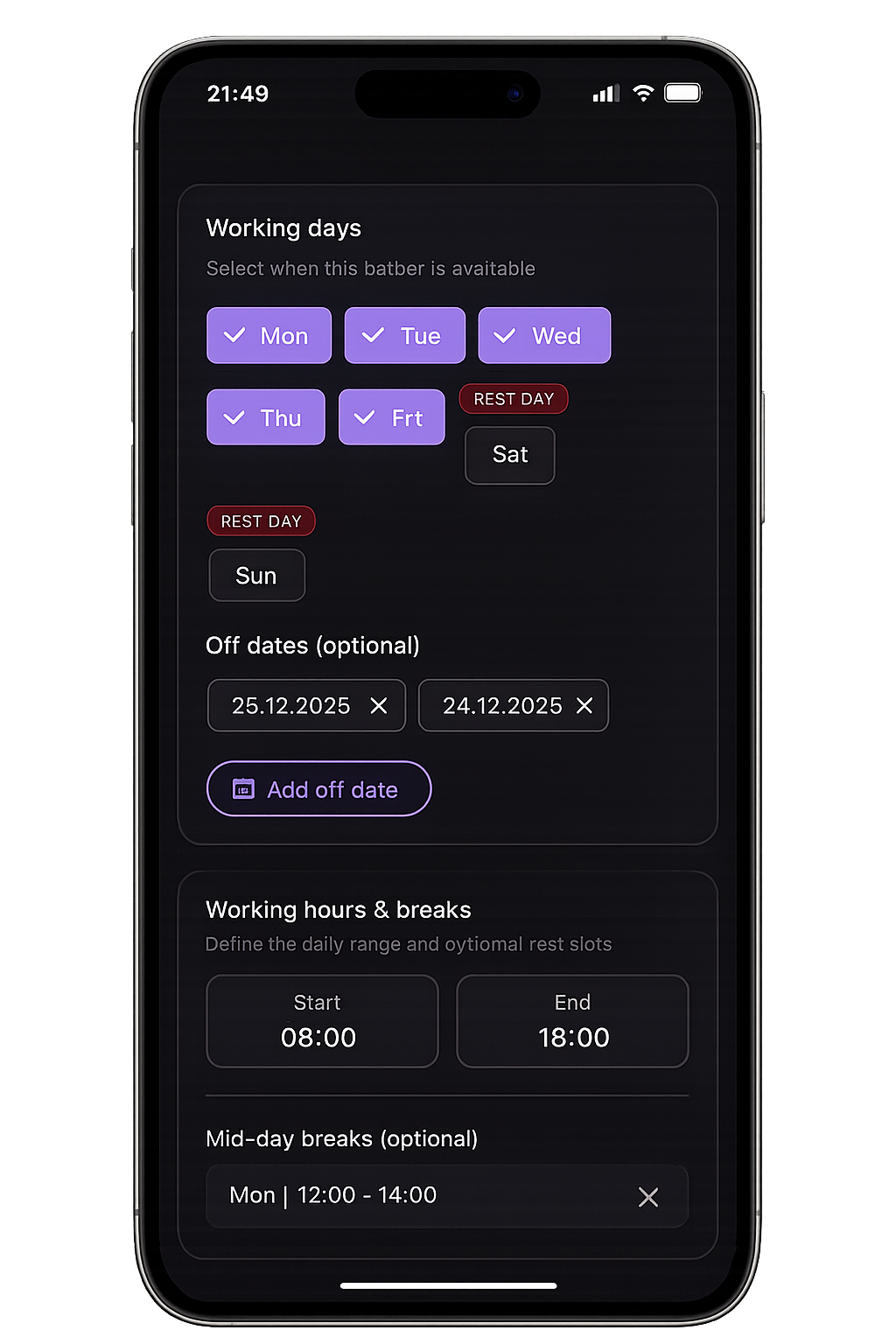
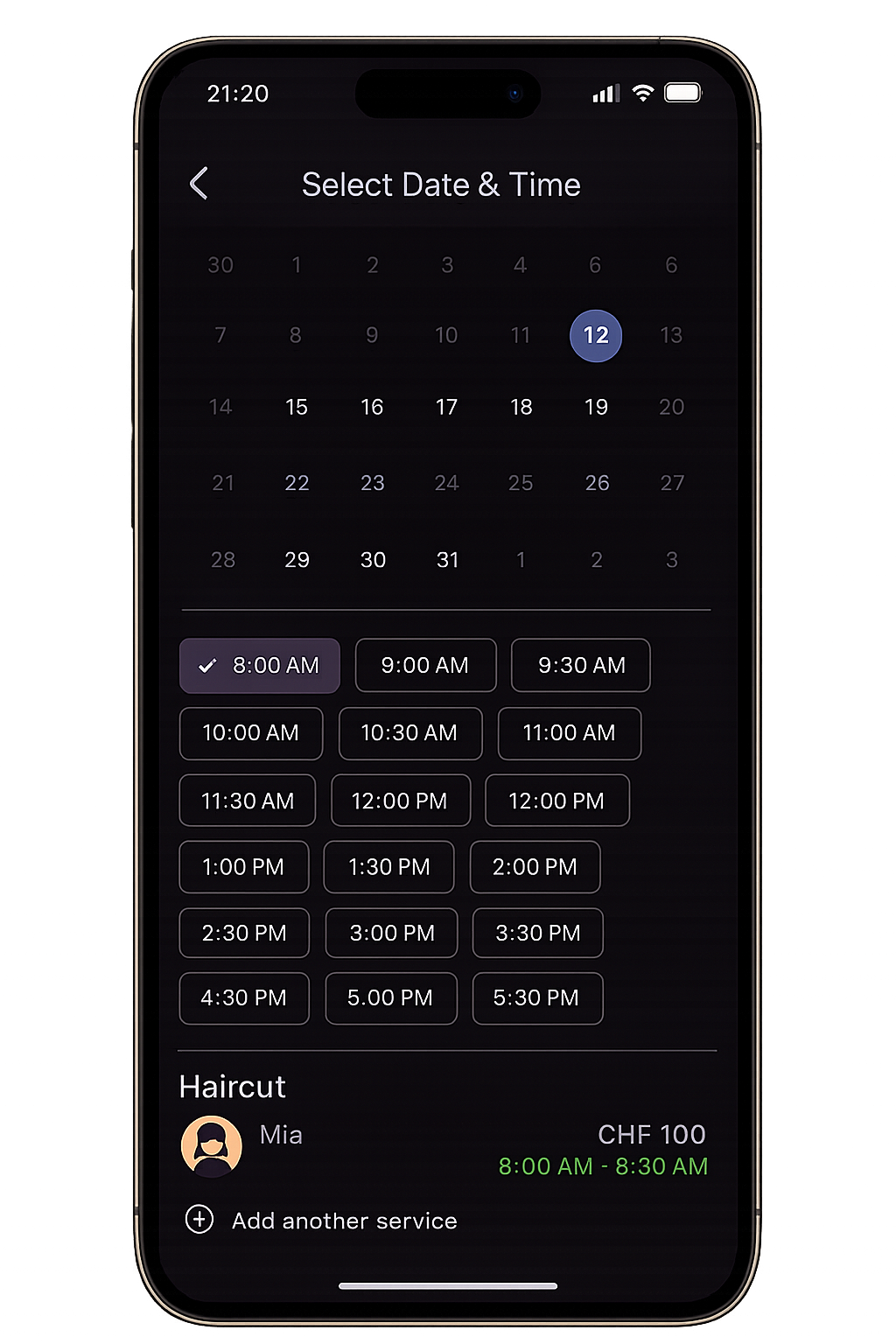
Admin + user
Admin controls on the left. Client booking on the right.
Your team manages schedules, approvals, and offers in the Admin app, while clients book and manage visits in the User app. Both stay fully on-brand.
Frequently Asked Questions ❓
What is digital transformation in a beauty salon?
It is the move from fragmented tools to an integrated system for booking, payments, client data, and communication so every visit is consistent, efficient, and on-brand.
Do small salons need digital transformation?
Yes. Small salons feel the impact fastest—automation cuts no-shows, organized data reduces mistakes, and clear workflows free time for clients instead of admin.
What tools are most important for modern salons?
Start with online booking, automated confirmations/reminders, centralized client profiles, and team scheduling. Layer payments, memberships, and a branded app once the core workflow is stable.
Conclusion 🎯
Digital transformation for beauty salons is about building a reliable, on-brand system that protects time and elevates the client experience. The right mix of salon digital tools turns daily operations into a smooth, predictable rhythm.
Modern salon management is a competitive edge. Start with booking, reminders, and centralized data; then add automation and a branded salon app to deepen loyalty. Move step by step, measure results, and keep the client experience at the center.
For internal links, connect this guide to pages on online booking setup, retention strategies, and technology stack choices using varied anchor text like booking automation tips, client retention playbook, and salon tech stack checklist.