
Operations
Hidden Costs of Manual Salon Management (That Hurt Your Business Daily) 💰
Manual processes feel familiar and cheap. Phone calls, paper notes, and spreadsheets look harmless—until you measure the time, errors, and lost bookings they create. The hidden costs of manual salon management show up every day in revenue leakage and staff burnout.
The hidden costs of manual salon management include lost bookings from missed calls, higher no-shows without automated reminders, staff time spent on admin, and errors that lead to refunds or redos. These inefficiencies quietly reduce profit even when the salon feels busy. Automating booking, reminders, and client data recovers that lost revenue.
Salon owners who rely on manual workflows often underestimate how much admin time they carry. Ten minutes per call, five times a day, is nearly an hour. Add in reminder calls, rewriting paper schedules, and reconciling payments, and the week vanishes. The financial and operational impact is real, even if it does not show up as a line item.
Another hidden drain is context switching. Staff bounce between phone, front desk, and service support. Every switch costs focus and creates room for mistakes that ripple into client experience.
What manual salon management really looks like ⚙️
Phone bookings that interrupt services and require pen-and-paper schedules.
Paper calendars taped behind the desk that are smudged, outdated, or missing details.
Manual reminders sent via ad hoc texts or calls, often late or inconsistent.
Spreadsheets for inventory, staff availability, and client notes that no one updates in real time.
Disconnected tools—payment terminals, booking apps, and messaging threads that do not talk to each other.
First-hand insight: when I audited a salon running this way, we counted 6–8 hours per week of front desk time spent retyping bookings and chasing confirmations.
Manual corrections also pile up. When a name is misspelled or a service is entered wrong, the fix requires more calls and rework—each one chipping away at guest confidence.
The hidden financial costs of manual salon management 💰
Lost bookings from missed calls. When no one answers during a busy rush, clients move on. Every unanswered call is a lost ticket.
Higher no-shows without automated reminders. If reminders depend on memory, missed appointments spike and revenue disappears.
Staff downtime disguised as “being helpful.” Ten minutes to book a multi-service visit by phone is time not spent with guests in the salon.
Admin overhead that never feels like overhead. Re-entering notes, matching payments to appointments, and updating spreadsheets all cost paid labor.
Refunds and redos from errors. Wrong service duration or missed allergy notes lead to comps that drain profit.
Opportunity cost: while staff handle manual tasks, they cannot sell add-ons, retail, or future appointments.
Cash flow drag: unpredictable no-shows make it harder to plan payroll and inventory. Owners often overstaff to be safe, which eats margin.
Operational problems caused by manual systems ⚙️
Errors in scheduling and timing. Without enforced buffers, color overlaps with cuts and the day runs late.
Miscommunication between front desk and stylists. Paper notes get lost; service changes are not relayed.
Stress and context switching. Staff jump between phone, walk-ins, and paper schedules, increasing mistakes.
Poor client experience. Inconsistent reminders and off-brand messages make the salon feel less professional.
Data fragmentation. Client preferences, formulas, and history scatter across notebooks and personal phones, risking loss and privacy issues.
Training drag. New hires spend days learning local workarounds instead of delivering services. That slows ramp and keeps operations brittle.
How manual management limits salon growth ⚙️
Capacity caps. Manual booking cannot scale; calendars bottleneck at the front desk and prime slots get misused.
Unpredictable revenue. No-shows and errors make forecasting difficult, hurting cash flow and hiring plans.
Inconsistent standards. Training new staff on manual workarounds takes time and still yields variability.
Expansion risk. Opening a second location with manual processes multiplies chaos instead of revenue.
Marketing underperforms. Without clean data and automation, campaigns do not target the right clients or drive rebooking.
Limited upsell capacity. When staff juggle admin, they skip add-on offers and retail recommendations that lift ticket size and loyalty.
How modern systems reduce hidden costs 💰
Online booking with accurate durations and buffers captures revenue 24/7 and reduces phone time.
Automated confirmations and reminders cut no-shows and keep schedules predictable. Clients get prep notes and easy rescheduling links.
Centralized client profiles keep formulas, preferences, and history in one place, reducing errors and redos.
Integrated payments and policies enforce deposits or late-cancel fees consistently, protecting revenue.
Reporting shows rebooking rates, utilization, and no-show patterns so owners can adjust staffing and policies with data.
SalonApp, for example, offers a branded salon app that keeps booking, reminders, and policies in one on-brand flow, reducing salon inefficiencies without adding complexity.
First-hand insight: after moving a salon from paper to an integrated system, front desk regained five hours a week and no-shows dropped by half within a month.
Modern systems also protect staff energy. When processes are predictable, teams spend more time with clients and less time fixing mistakes, which shows up in higher tips and retention.
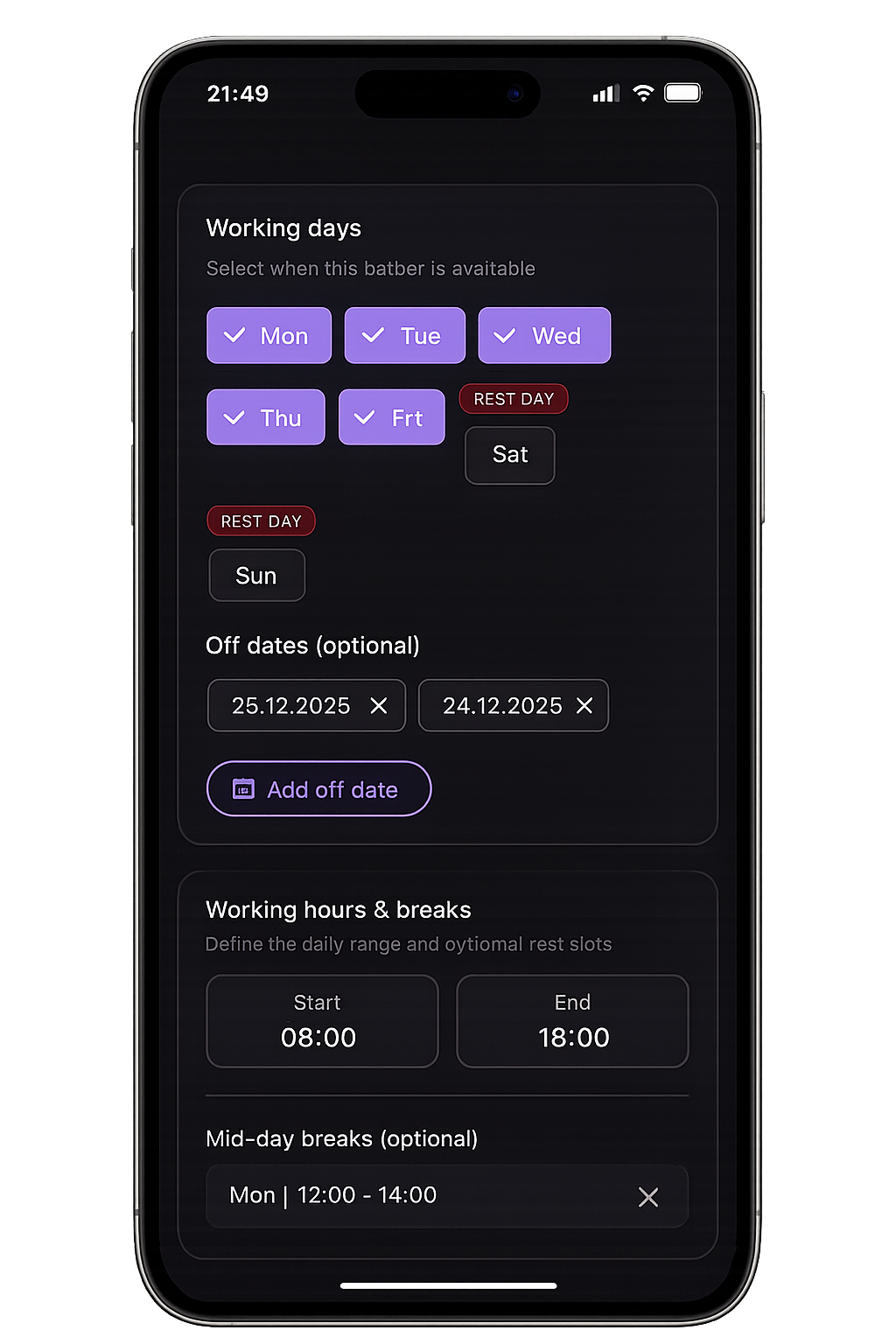
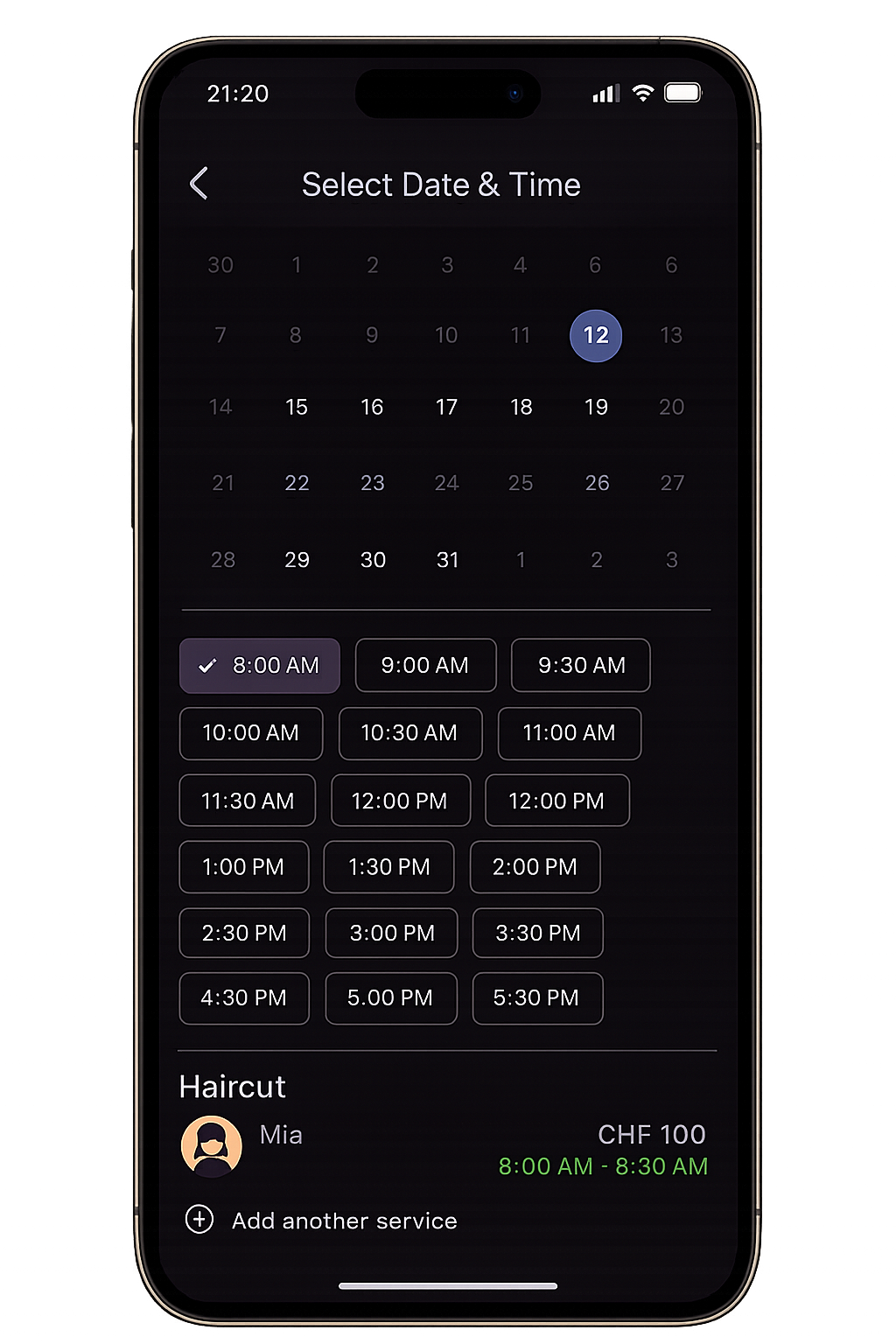
Admin + user
Admin controls on the left. Client booking on the right.
Your team manages schedules, approvals, and offers in the Admin app, while clients book and manage visits in the User app. Both stay fully on-brand.
Frequently Asked Questions ❓
What are the disadvantages of manual salon management?
Manual salon management leads to missed bookings, higher no-shows, scheduling errors, and hidden labor costs from constant admin. It also weakens client experience due to inconsistent reminders and off-brand communication.
How much time do salons waste on manual tasks?
It is common to lose 5–8 hours per week on phone bookings, manual reminders, and retyping schedules. That is paid labor that could be spent with clients or selling retail instead of admin.
When should salons switch to digital management?
Switch when missed calls, no-shows, or schedule errors are recurring—or before opening a second location. Early adoption protects revenue, standardizes processes, and keeps client experience consistent.
Conclusion 🎯
The hidden costs of manual salon management stack up daily: lost bookings, wasted labor, avoidable errors, and weaker client loyalty. What feels cheap is often the most expensive way to run a salon.
Investing in systems—online booking, automated reminders, centralized client data, and a branded app—turns chaos into a predictable, profitable operation. Start with booking and reminders, then build from there.
For internal links, connect this guide to pages on booking automation, policy templates, and technology rollout using varied anchor text like online booking setup, no-show policy guide, and salon tech stack checklist.