
Reputation
How Technology Influences Salon Reputation (Before and After Every Visit) ⭐
Reputation is now built long before clients sit in the chair. Booking ease, confirmations, reminders, and post-visit follow-ups shape trust as much as technical skill. Technology is the quiet layer that makes a salon feel organized—or not.
Technology influences salon reputation by making booking effortless, reminders reliable, communication clear, and the digital presence professional. When systems run smoothly across web, SMS, and a branded app, clients trust the salon before they arrive, experience fewer mistakes during the visit, and leave better reviews afterward.
Clients judge how modern and reliable you are through everyday touchpoints: the speed of your site, clarity of policies, and whether reminders arrive on time. A salon’s online salon reputation is won or lost in these micro-moments, not only in the final look.
Beauty salon technology now shapes first impressions as much as décor. Primary and secondary keywords matter because they mirror what clients search when evaluating salon reputation management and booking options.
How clients form opinions about salons today 🛠️
Booking flow is the first service. If it is smooth, mobile-friendly, and transparent, clients assume the visit will be too.
Confirmations and reminders signal professionalism. Clear timing, prep notes, and easy rescheduling reduce anxiety and no-shows.
Website and socials show brand consistency. Visuals, tone, and up-to-date information build trust before a visit.
Google Business Profile, reviews, and location details provide quick validation that the salon is established and organized.
Fast page speed and clean navigation signal you value client time. A slow site erodes confidence before they ever see your stylists.
Service menus with prices, policies, and prep notes reduce surprises. Clear expectations feel like respect—and protect your salon client experience.
Staff bios and authentic photos reassure clients about expertise and hygiene standards, which reduces pre-visit hesitation.
First-hand insight: salons that reduced clicks to book saw higher prepayment and fewer no-shows—clients equated ease with reliability.
Why reputation is affected outside the salon ⭐
Missed appointments and slow replies frustrate clients before they arrive, prompting negative reviews or silent churn.
Policy surprises—deposits, late fees, or prep requirements—posted too late feel unprofessional.
Outdated systems (paper calendars, manual reminders) cause errors that clients experience as disorganization.
Post-visit silence erodes loyalty. No follow-up or care notes makes clients feel forgotten, even if the service was solid.
Inconsistent communication tone across email, SMS, and social DMs confuses clients and weakens brand perception.
When reschedule links fail or staff texts contradict the website, clients sense chaos and reconsider rebooking.
Late starts caused by double-booking feel preventable to clients. They blame systems, then the brand, and reviews reflect that.
First-hand insight: after adding a same-day waitlist text flow, a salon reduced lobby backups and saw “runs on time” appear in reviews within two weeks.
Key ways technology impacts salon reputation ⭐
Ease of booking: Real-time availability, accurate durations, and frictionless checkout tell clients you respect their time.
Reliability of reminders: Automated confirmations plus 48h/24h reminders cut missed salon appointments and build confidence.
Clear communication: On-brand messages for prep, policies, and aftercare reduce misunderstandings and prevent complaints.
Professional digital presence: Fast, clean website; consistent branding; authentic photos; and transparent policies elevate premium salon branding.
Consistency across touchpoints: Same tone and accuracy across site, email, SMS, and receipts reinforce that the salon is organized.
Data accuracy and privacy: Up-to-date client notes, photos, and consents reduce service mistakes and show respect for client safety.
Aftercare and review timing: Sending concise aftercare steps and a gentle review request once clients see results supports salon reputation management without feeling pushy.
Operational tip: test your booking and reminder flow monthly. If you cannot book and receive confirmations smoothly on your own phone, clients cannot either.
How modern tools protect and improve salon reputation ⭐
Automation reduces errors. Fewer manual steps mean fewer double-bookings, missed reminders, or policy oversights.
Centralized client data keeps notes, preferences, and contraindications consistent, preventing embarrassing mistakes.
Integrated payments and deposits clarify expectations and reduce disputes or late cancels.
Audit trails for reschedules and refunds create fairness and reduce chargeback risk, which protects profitability and reputation.
Analytics highlight bottlenecks—where clients drop off, which services drive reviews—so you can fix issues proactively.
Unified branding across digital touchpoints makes the salon feel premium and trustworthy, improving review quality.
Templates for SMS and email keep tone consistent, so every staff member communicates with the same voice.
First-hand insight: after moving to automated reminders and deposits, one salon cut no-shows in half and saw review tone shift from “late start” to “organized and easy.”
First-hand insight: a multi-location group synced notes and photos across teams; guest complaints about “they forgot my formula” dropped to near zero in a month.
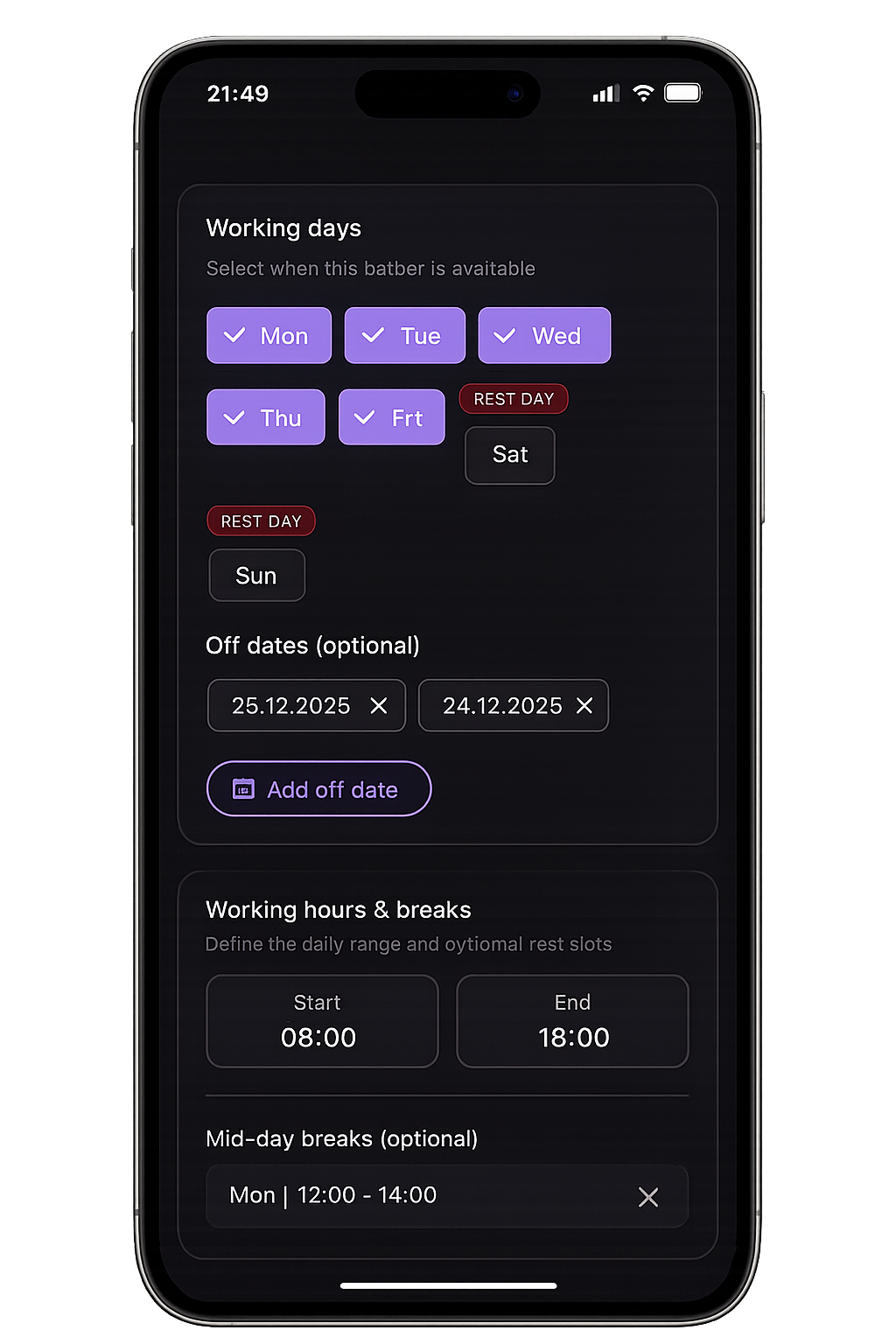
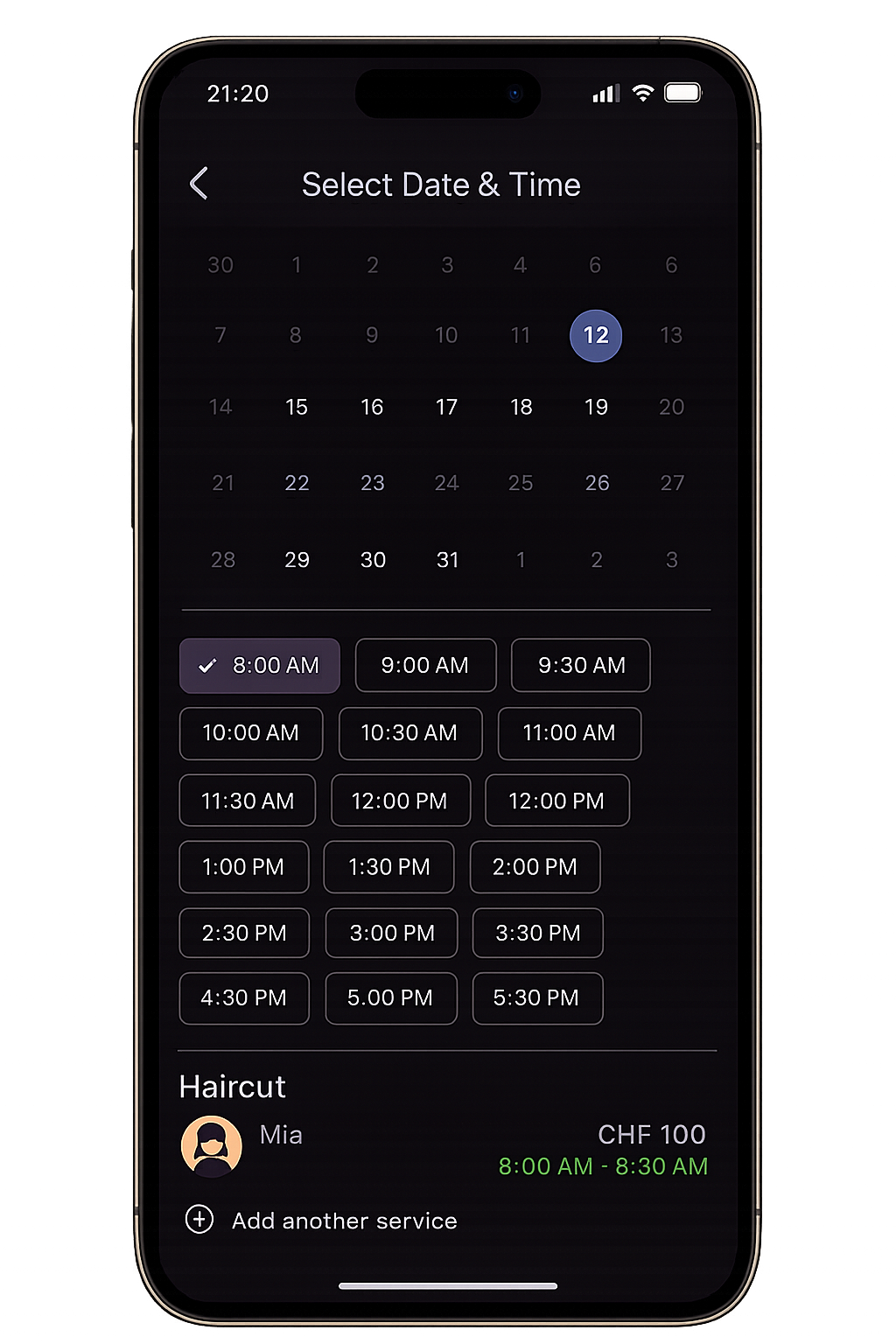
Admin + user
Admin controls on the left. Client booking on the right.
Your team manages schedules, approvals, and offers in the Admin app, while clients book and manage visits in the User app. Both stay fully on-brand.
How a branded salon app strengthens reputation 📱
A branded app keeps clients in your ecosystem with on-brand booking, reminders, and policies, reducing the chance they drift to competitors.
Home-screen presence reinforces trust: clients see your brand daily, not just at visit time.
Push notifications for prep, arrivals, and follow-ups feel like service, not spam, when tone matches your brand.
SalonApp, for example, delivers a branded salon app that pairs your visuals and policies with a streamlined booking experience, reinforcing professionalism.
Because the app holds notes and preferences, every visit feels remembered—key for salon client experience and repeat business.
In-app offers, loyalty tracking, and waitlists keep value visible without blasting email lists. That reduces unsubscribes and preserves online salon reputation.
Offline-friendly booking reduces friction during spotty Wi-Fi moments, preventing failed attempts that can sour trust.
Frequently Asked Questions ❓
Does technology affect salon reviews?
Yes. Smooth booking, timely reminders, and clear policies reduce frustration and no-shows, which improves review tone, response rates, and the credibility of your online salon reputation.
How can salons improve their reputation online?
Modernize booking, automate confirmations/reminders, keep branding consistent, show authentic work, and request reviews after great visits. Fix friction before it becomes feedback, and reply to every review with empathy and clarity.
What tools help manage salon reputation?
Integrated booking with reminders and deposits, centralized client profiles, review request automations, and a branded salon app to keep clients in one polished flow.
Conclusion 🎯
How technology influences salon reputation is clear: smooth digital experiences signal reliability, respect for time, and professionalism before and after every visit.
Treat technology as part of your brand. Upgrade booking, reminders, communication, and your branded app so clients trust you online—and reinforce that trust in the chair.
For internal links, connect this guide to resources on booking automation, brand consistency, and review generation using varied anchor text like online booking checklist, brand voice guide, and review request playbook.
Suggested internal links: link “online booking checklist” to your booking automation guide, “brand voice guide” to your messaging standards, and “review request playbook” to your review-generation tutorial.