
Operations
How to Reduce Staff Stress in Busy Salons (Without Cutting Bookings) 📅
Packed days, ringing phones, and last-minute changes push salon teams to burnout. Mistakes rise, turnover follows, and service quality slips. In most cases, stress is a systems problem, not a people problem. Fix the workflows and you protect your team without sacrificing revenue.
When you create realistic schedules, automate updates, and cut interruptions, your team works calmer, clients feel better cared for, and retention improves.
The heart of how to reduce staff stress in busy salons is designing the day so people can focus. Systems—not heroics—keep quality high when demand spikes.
Why busy salons create high staff stress 😓
Overbooking squeezes services back-to-back, leaving no time for prep, cleanup, or retail recommendations.
Unclear schedules force stylists to ask, guess, or check multiple calendars—creating friction and errors.
Last-minute changes and walk-ins disrupt planned timing, leading to rush and overlaps.
Constant phone calls and DMs during services break focus and extend service times.
No breathing room between appointments means small delays cascade into late starts and unhappy clients.
Poor visibility into notes or timings forces stylists to rely on memory, raising error risk.
Uneven workload—some stylists overloaded while others wait—breeds resentment and fatigue.
Missing prep signals (allergies, past formulas, timing adjustments) surface mid-service, slowing everyone down and increasing stress.
Why pushing staff harder doesn’t solve the problem 😓
“Work faster” increases mistakes: color timing errors, missed notes, and uneven finishes.
Exhaustion kills upsell and retail conversations; revenue per client drops even if the day looks full.
Burnout drives turnover, which restarts the training cycle and makes schedules even harder to staff.
Clients feel the rush; rushed experiences lead to lower rebooking and weaker reviews.
Quality dips trigger redos, which add hidden overtime and erode margin.
Morale drops, collaboration fades, and blame creeps in—making every busy day feel harder than it needs to be.
Step-by-step ways to reduce stress in busy salons ✅
Use these steps together to reduce salon staff burnout while keeping bookings strong.
- Realistic booking limits per staff member 📆
Set caps on back-to-back long services and total daily color hours per stylist. Protect energy for quality and retail. - Clear schedule visibility for the whole team 👀
One live calendar with service durations, buffers, and notes. Front desk, stylists, and assistants see the same information. - Reduced phone interruptions during service 📵
Route clients to online booking and self-serve changes. Use a waitlist to fill gaps instead of ad-hoc calls mid-service. - Automated confirmations and updates 🔔
Send confirmations immediately, reminders at 24h and same-day, and automatic alerts for changes. Staff stop relaying updates manually. - Built-in buffer time between appointments ⏱️
Add cleaning and reset buffers, especially after color or multi-service visits. Buffers prevent late starts and reduce stress.
Measure leading indicators weekly: on-time start rate, schedule changes per day, and rebook rate. If stress stays high, tighten caps on long services and increase buffers where delays happen most.
Track call volume vs. online changes. If phones dominate, expand self-serve options and push links in reminders to cut interruptions.
Run a weekly retro with the team: where did delays start, which services ran long, and what notes were missing? Turn findings into updated durations or buffers.
Standardize service durations and formulas in your booking system so planners stop guessing and assistants can prep faster.
Rotate “floater” roles on peak days to handle resets and retail, keeping stylists on time and clients attended.
Suggested internal links: scheduling and booking flow at see how it works, operational consistency under benefits, and setup at get your salon app.
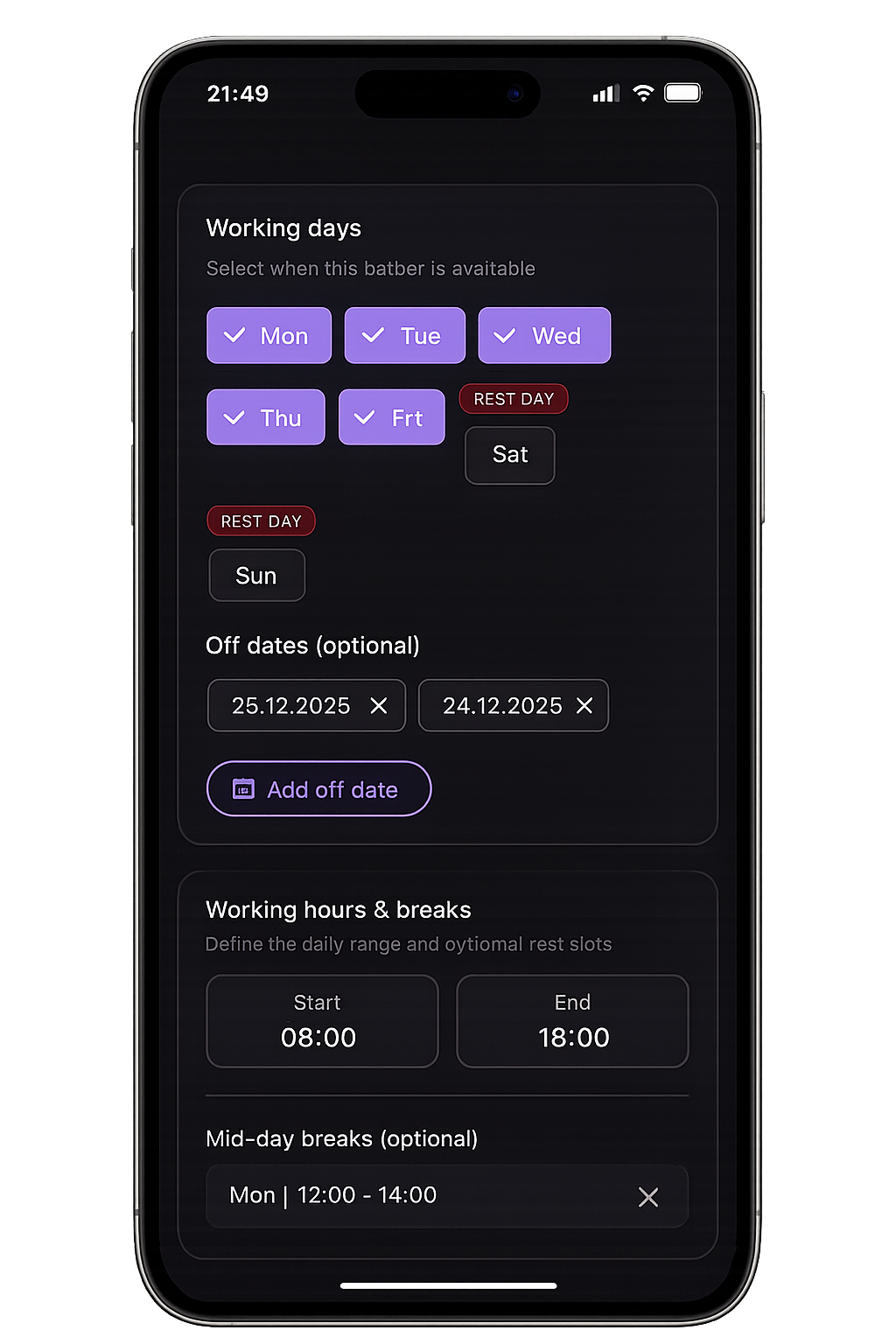
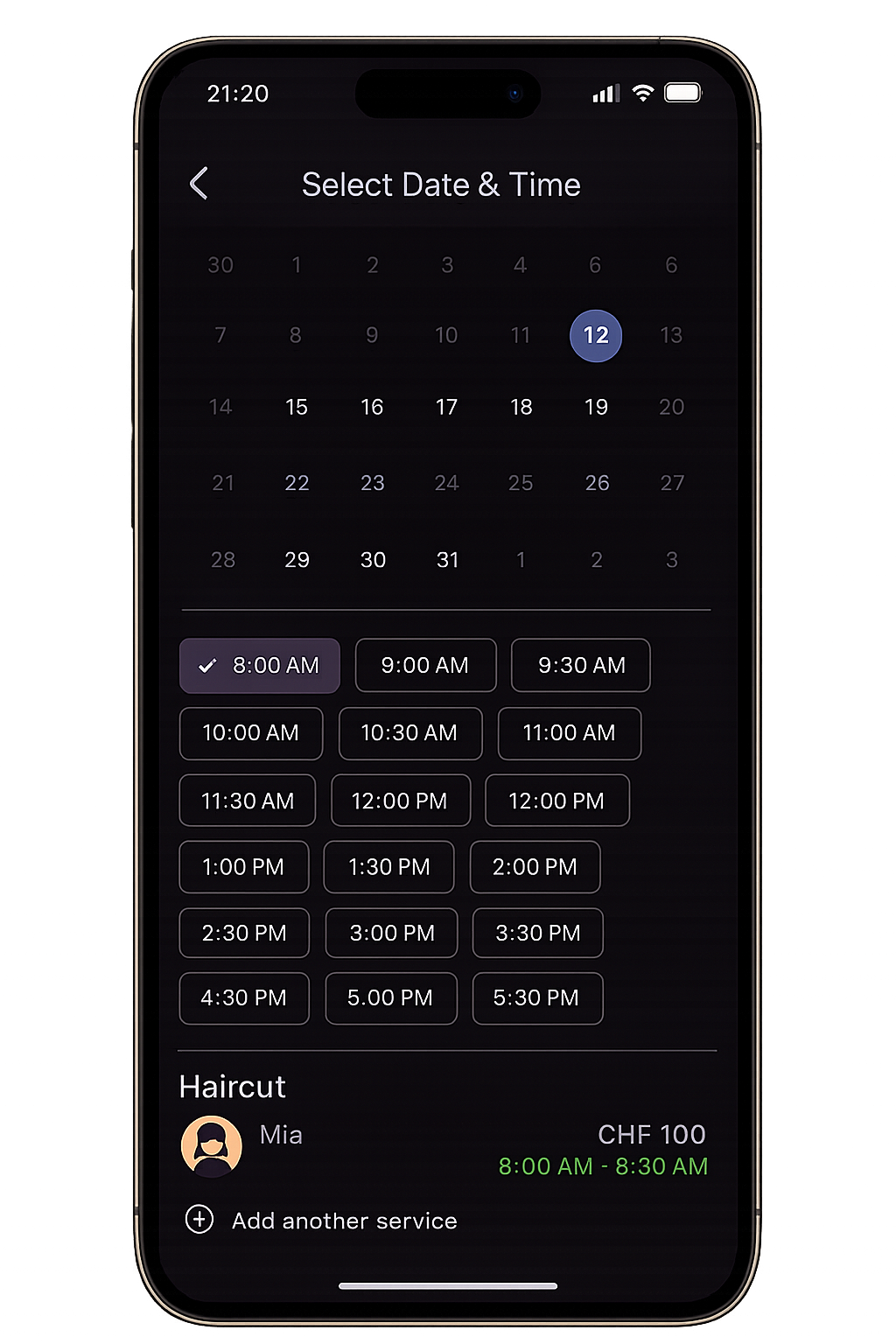
Admin + user
Admin controls on the left. Client booking on the right.
Your team manages availability, buffers, and approvals in the Admin app, while clients book and manage visits in the User app. Both stay fully on-brand.
How a branded salon app helps reduce staff stress 📱
A branded salon app centralizes booking, reminders, and changes so staff are not interrupted by calls and DMs.
Clients see real-time availability, move appointments themselves, and get clear policies—reducing surprises that create stress.
SalonApp, for example, applies your buffers, booking limits, and notifications in one beauty salon workflow so the team works from a single source of truth.
When the app handles confirmations and updates, staff focus on service quality instead of admin—and the day feels calmer.
With fewer interruptions, stylists stay present with clients, increasing retail and rebooking—proof that calmer days can drive more revenue.
Frequently Asked Questions ❓
How do salons reduce staff burnout?
Set realistic booking limits, add buffers, automate confirmations, and reduce interruptions. Protect energy so quality and upsell stay high.
What causes stress in busy salons?
Overbooking, unclear schedules, last-minute changes, constant calls, and no buffer time create daily pressure.
Can better scheduling really reduce salon stress?
Yes. Clear rules, visible schedules, and automation remove chaos, which lowers mistakes and burnout. Better scheduling also shortens days by reducing rework and overtime.
Conclusion 🎯
Knowing how to reduce staff stress in busy salons starts with fixing systems. When schedules are realistic, buffers are honored, and updates are automated, stress drops and service quality rises.
Invest in clear booking rules, real-time visibility, and a branded salon app so your team can focus on clients—not firefighting. Calm teams deliver better experiences and keep clients coming back.
Start this week with one change—like adding buffers to your top three stress-trigger services—and layer automation next. Momentum builds as stress falls.
Next, script how the desk handles last-minute changes and push all confirmations through one channel. Consistency reduces questions and keeps the team aligned.