Operations
Modern Salon Management Systems Explained: What Today’s Salons Actually Need ⚙️
Most salon owners are bombarded with software options. Demos promise everything; daily reality is tabs, spreadsheets, and group chats. Here is a clear breakdown of what modern salon management systems really do and how to pick what matters.
Modern salon management systems explained simply: they unify booking, reminders, client profiles, staff schedules, and reporting into one platform. The goal is fewer mistakes, faster service, and a consistent client experience. If your tools feel fragmented, a modern system replaces manual work with automation and visibility.
Searches for modern salon management systems explained often surface buzzwords. Skip the hype. Focus on tools that reduce no-shows, keep data clean, and help staff deliver consistent service. Beauty salon software should serve the way you run the salon—not force you into awkward workflows.
Many owners think “modern” means more features. In practice, it means fewer steps and clearer accountability. When staff know where to look for answers and clients get one consistent flow, stress drops and revenue steadies.
What a modern salon management system is ⚙️
A modern salon management system is the operational hub for bookings, payments, client data, staff coordination, and reporting. It replaces separate apps for calendars, reminders, and notes with one reliable source of truth.
Think of it as a connected workflow: clients book, get confirmations, arrive prepared, and rebook without friction. Staff see the same details—services, timing, preferences—so execution is consistent.
Modern salon management tools also integrate with payments and marketing. That way, promos, memberships, and receipts carry the same data and branding across every touchpoint.
When the system is set up correctly, front desk work becomes lighter. Instead of juggling calls, staff can greet guests, manage retail, and help stylists stay on time.
Why older salon management tools fall short ⚙️
Legacy systems feel like patchwork. Booking might live in one place while notes live in another, forcing staff to jump between screens during busy hours.
Manual steps create errors: missed buffers, double-booked chairs, or reminders sent too late. Clients feel the chaos when check-ins are slow or policies are unclear.
Poor visibility is common. Older beauty salon software often lacks real-time dashboards for utilization, prebook rate, or service mix, making it hard to coach teams or plan staffing.
Disjointed tools also weaken branding. Generic confirmations and off-brand receipts make the experience feel inconsistent, which can erode trust.
First-hand insight: after consolidating a salon’s three tools into one system, the biggest win was predictable timing—color services stopped colliding with haircuts because buffers were enforced automatically.
Another hidden cost is training. New hires must learn multiple apps and manual workarounds. A single, modern salon management system shortens ramp time and reduces mistakes in the first weeks.
Core features of modern salon management systems ⚙️
Centralized booking and scheduling: Real-time availability with accurate service durations and buffers. Clients can book 24/7 without calling the desk.
Automated confirmations and reminders: Clear messages reduce no-shows and set expectations. SMS and push keep clients informed in your tone.
Client profiles and history: Formulas, preferences, contraindications, and visit notes live in one place. Stylists do not have to ask twice.
Staff coordination and workload visibility: Shared calendars and role-based views show who is booked, who is free, and where gaps exist.
Reporting and operational insights: Rebooking rate, utilization, retail attachment, and cancellation patterns highlight coaching and pricing opportunities.
Policy and payments alignment: Deposits, cancel windows, and memberships tie directly into booking and reminders so policies are enforced automatically.
These features are the non-negotiables. Anything else—memberships, packages, marketing—works better when this foundation is solid.
How modern systems improve daily salon operations ⚙️
Integrated systems reduce mistakes. When booking, reminders, and notes share one dataset, staff are not copying details between tools.
Time savings show up quickly. Automated confirmations and reminders cut phone time, freeing the team for guests in the lobby.
Consistency boosts professionalism. Clients get the same tone, prep guidance, and policies every time, which builds trust.
Better visibility improves staffing. With clear views of peaks and gaps, owners can adjust schedules, run off-peak promos, or shift services to balance the load.
Salon business software also supports retail. When history and preferences are visible, add-on recommendations feel natural, increasing ticket size without pressure.
For multi-location owners, unified data simplifies decisions. You can spot which site needs training, which services are overbooked, and where to pilot new offerings.
When a branded salon app fits into modern management systems 📱
A branded app complements the core system by owning the client-facing experience. Home-screen presence keeps your brand top of mind and routes clients directly to your booking flow.
If you run memberships, loyalty, or targeted offers, delivering them inside your own app keeps clients off generic marketplaces. That protects retention and perceived quality.
SalonApp, for example, provides a branded salon app with your colors, policies, and notifications while relying on solid infrastructure for performance and security.
Use the app as the front door while the management system runs the back office. Together, they create a seamless path from discovery to rebooking.
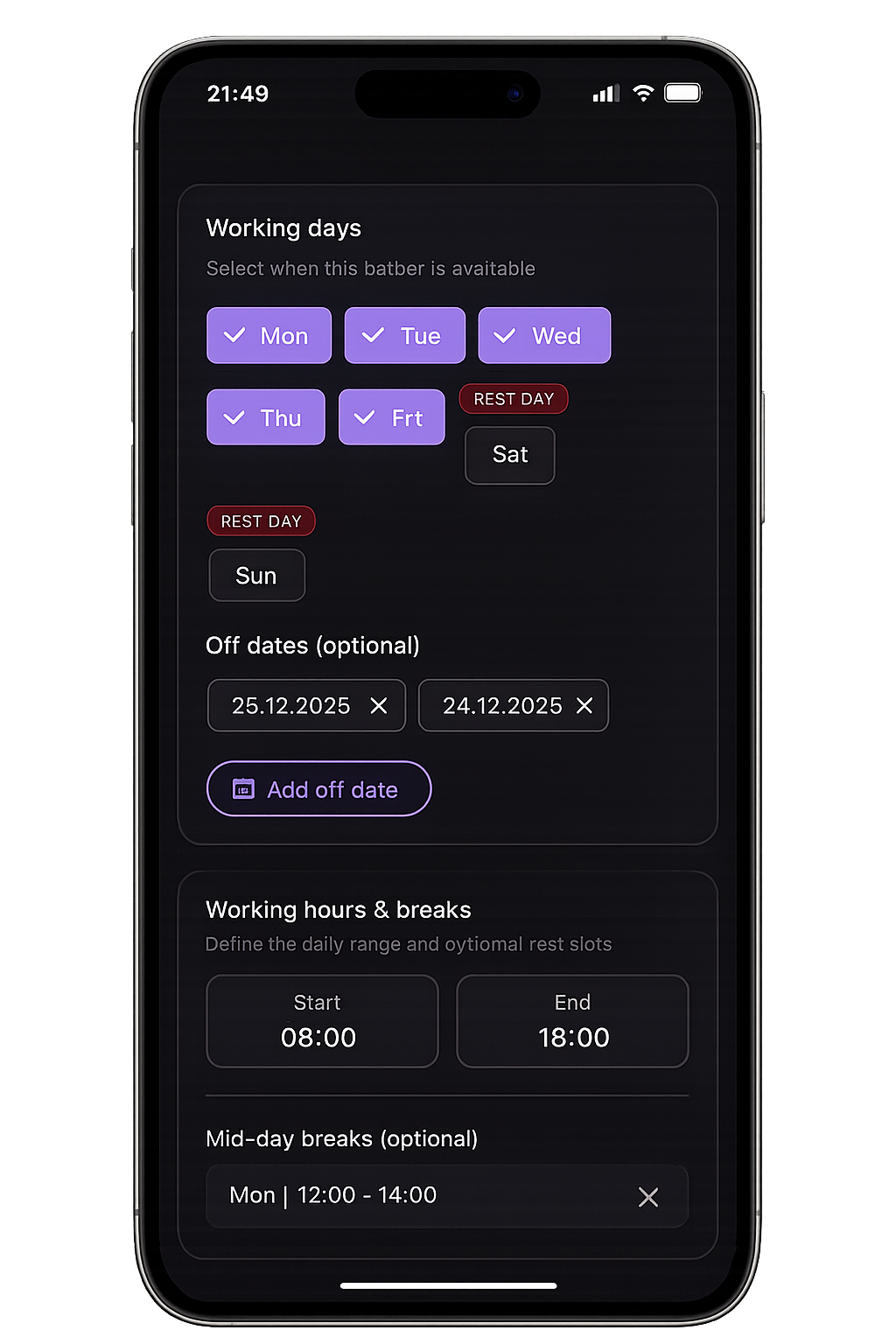
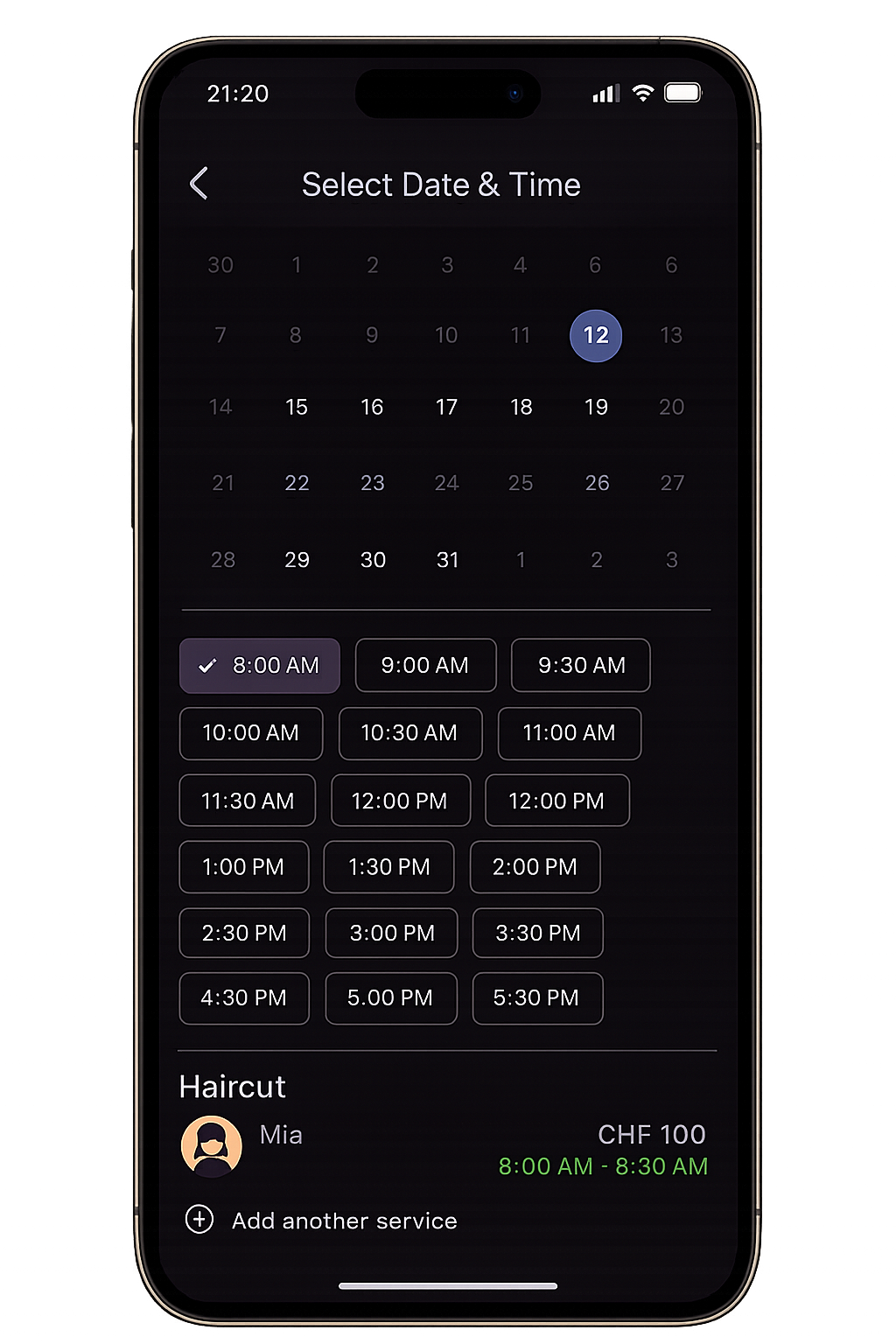
Admin + user
Admin controls on the left. Client booking on the right.
Your team manages schedules, approvals, and offers in the Admin app, while clients book and manage visits in the User app. Both stay fully on-brand.
Frequently Asked Questions ❓
What software do modern salons use?
Modern salons use integrated salon management systems that combine booking, reminders, client profiles, staff scheduling, payments, and reporting in one platform.
Do small salons need a management system?
Yes. Small salons feel the benefit fastest—automation cuts no-shows, centralized data reduces mistakes, and clear schedules keep the day predictable.
What features matter most in salon software?
Prioritize real-time booking with buffers, automated confirmations/reminders, unified client profiles, staff workload views, and actionable reporting. Add memberships, marketing, or a branded app after the core is stable.
Conclusion 🎯
Modern salon management systems explained in one line: they centralize the work of running a salon so clients get a consistent, polished experience and staff avoid avoidable mistakes.
Choose systems that grow with you—start with booking, reminders, and client data, then layer reporting, automation, and a branded salon app to deepen loyalty.
For internal links, connect this guide to pages on booking automation, client retention tactics, and salon tech stack setup using varied anchor text like online booking checklist, rebooking playbook, and technology rollout plan.